

Most of the fans we build are driven by electric motors, and this requires the fan wheel and/or shaft to connect with the motor shaft in some way. There are two broad classifications we use to describe this connection – 1) belt drive and 2) direct drive.
Videos
The Centrifugal Fan Basics
The most basic answer to the question, “What does a centrifugal fan do?”, is that it moves gas (air), drawing it into the inlet, turning it 90 degrees, and blowing it through the outlet to exit the fan. It moves a higher static pressure than an axial fan, which moves air and gas straight, in one direction. Without air movement inside buildings – whether a room (like in Chet’s example in the video), a house, or an industrial manufacturing facility – things would get dicey. If you were to be trapped in a small room with no ventilation, only breathing in your own exhaled air, you could only survive for so long. Imagine what would happen in a manufacturing facility where there are many other gases and particles at play! If that is all the information on centrifugal fans you were looking for, feel free to stop reading now. For a little more on how they work, carry on.
What is a Balanced Fan? Think “Finishing the Job.”
A balanced fan must stay below specific vibration limits for safe operation while running at full speed. Excessive vibration will decrease the life of your fan and can lead to catastrophic failure.
How to Identify and Solve Fan Vibration Problems
You may enjoy good vibrations at the beach, but fan vibration issues are no picnic. Even when they ship from the shop having been balanced like ours do, once they’re in the field, vibration problems can surface.
Balancing Your New Industrial Fan
Skipping the balancing step after installation could result in catastrophic failure before the dust has a chance to settle on your shiny new fan.
Things to Check When Running Your Fan for the First Time
When your new industrial fan or blower arrives at your facility from the manufacturer, it should already be tested and ready for fan installation. But that doesn’t mean there’s nothing more to do to ensure it operates properly! Whether it sits idle awaiting installation or goes right into service, there are several important things to check when running your fan for the first time.
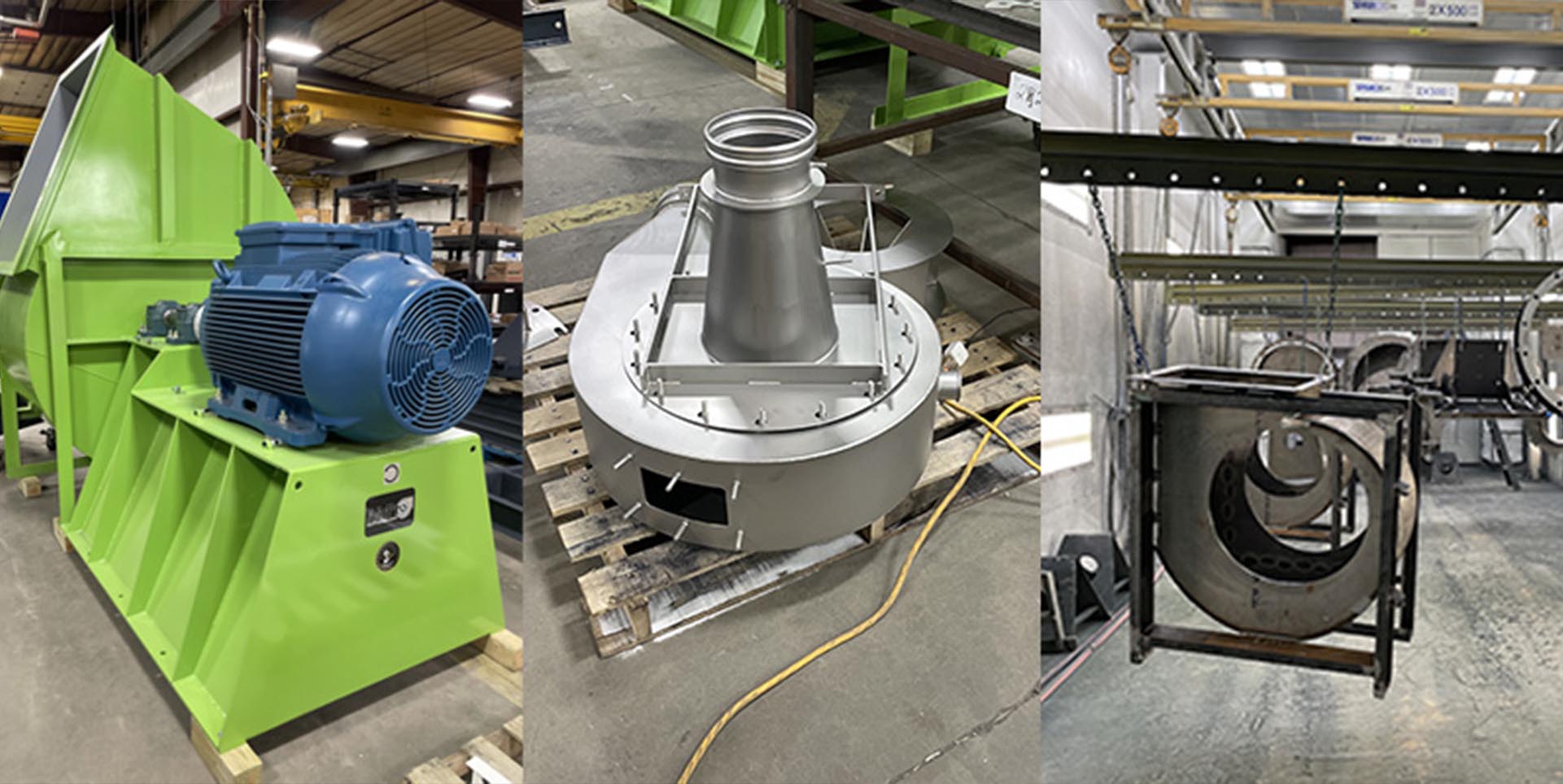
Metal Finish Options for Your Fan
Whether your industrial fan or blower reflects your brand colors, stands out, or blends into the system, there’s one thing you always want to shine: quality. Here’s what to look for in selecting the right metal treatment and finish options.
How to Align and Grease Fan Couplings
Your direct-drive fan may use a coupling to connect the motor shaft to the fan shaft. The constant motion and friction within the coupling make coupling grease very important at start-up and throughout regular fan maintenance.
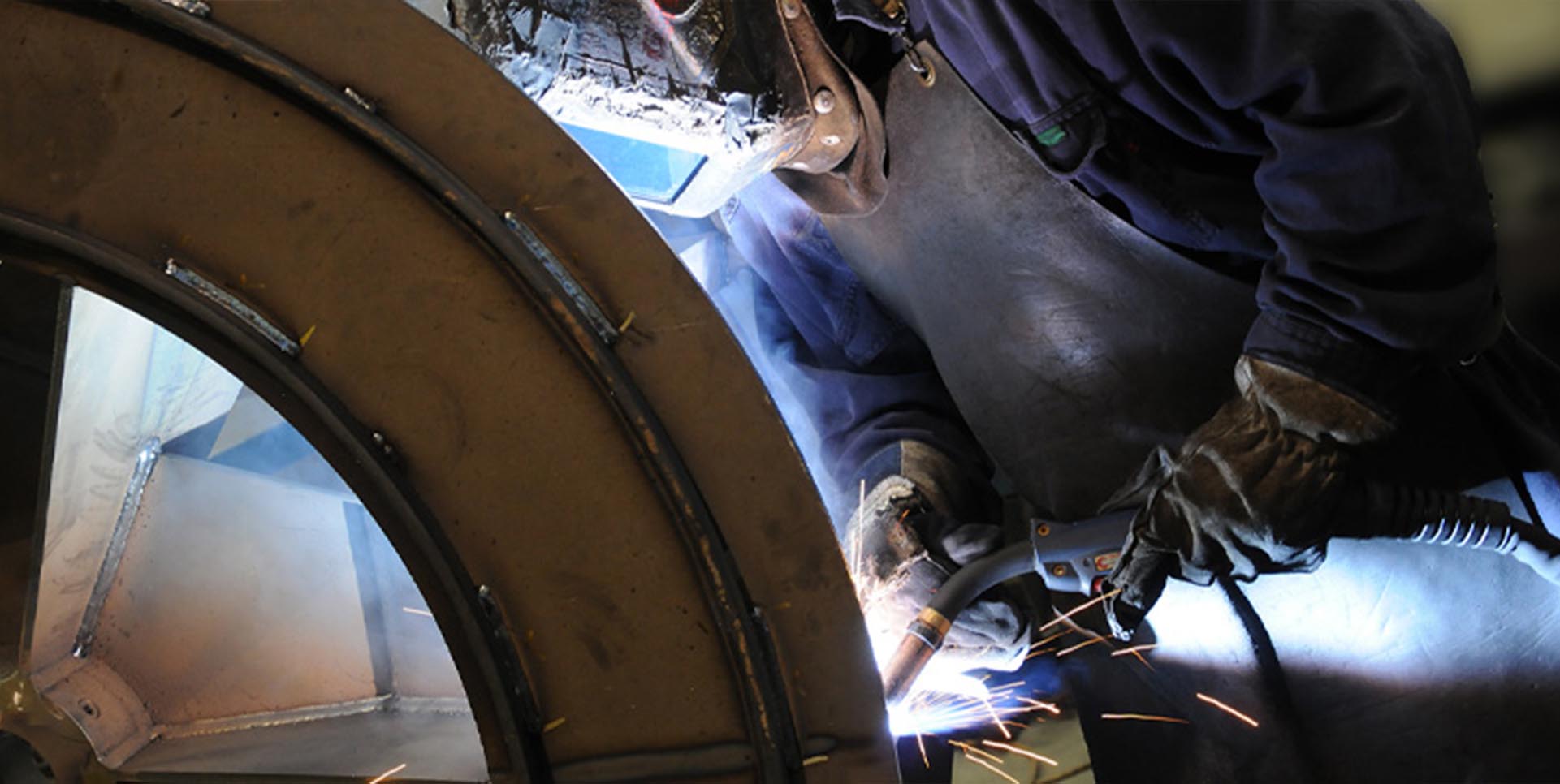
Not just Structurally Sound, it’s a Work of Art
When touring an industrial fan manufacturing facility, you probably don’t imagine anyone remarking on the beauty of welded fan components. Here at AirPro, it happens all the time. Our welders are skilled craftsmen who see their work as a form of art.
How to Know Which Way Your Fan Wheels Roll
Clockwise or counterclockwise? It’s a surprisingly common question we get related to industrial fans and blowers. Determining fan rotation direction is simple once you know the trick, and it’s important to understand during the specification process.
Industrial Fan Guards Help Meet OSHA Requirements
If you’re running your fan or blower on a belt drive system, leaving the shaft, bearings, and belts exposed could pose a hazard to your work environment. To keep the workers (and equipment) safe, you’ll need to install industrial fan guards.
Safety Precautions During Maintenance Work on Industrial Fans
We always stay on the safe side, and we want our customers to do that too. So we created a video and the content below specifically to cover safety precautions during maintenance work on industrial fans.
How to Grease Fan Bearings for Installation and Maintenance
If we’ve said it once, we’ve said it a thousand times. Lack of bearing lubrication is one of the most common causes of failure in an industrial fan. There’s only one way to avoid that type of failure, and that’s proper, regular management of fan bearing grease. But we don’t always go into much detail about how to do that.
Keep Industrial Fan Parts On Hand To Avoid Downtime
When you’re running industrial process operations, you don’t have time for downtime, and it can be very costly on top of that. But if something goes wrong and you don’t have spare industrial fan parts on your shelf, it can take weeks and even months to replace them, particularly if your fan is custom and especially in the current supply chain environment.