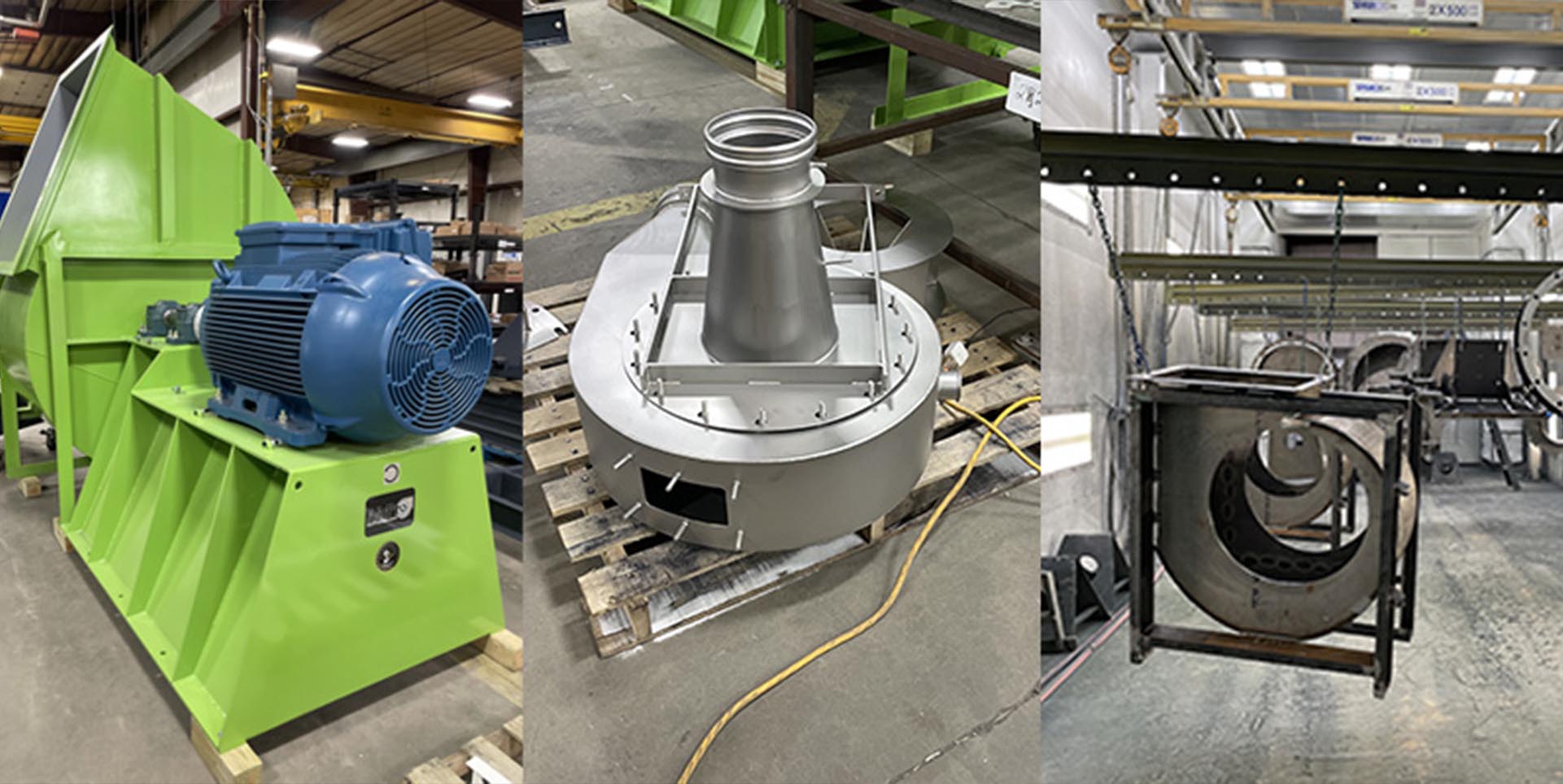
Axial vs Centrifugal Fans: One Aspect Explains it All
Airflow Direction
What’s the difference between axial and centrifugal fans? It’s a question we hear often when helping customers with their fan applications.


What’s the difference between axial and centrifugal fans? It’s a question we hear often when helping customers with their fan applications.
Sometimes the most simple things like cleaning get overlooked, potentially leading to many more serious issues. It’s important to properly clean a blower wheel, as material buildup on a wheel can cause vibration and damage your fan. Even “clean air” may contain various particles and debris. A simple cleaning procedure can keep your fan healthy and decrease downtime.
As of January 2023, we are thrilled to announce another shipping lead time reduction on the heels of a record-breaking year of production and new orders in 2022 and the first lead time reduction, which took effect in May 2022.
Industrial fan operations and safety depend on the proper alignment of each component, from before the inlet to beyond the outlet. That often includes an inlet cone, which serves to help route the process air into the fan. If not properly aligned, it can get in the way of the fan wheel (and vice versa) and ultimately lead to fan failure, which is costly and time-consuming.
Even under ideal circumstances, achieving 95-percent-or-better on-time delivery is well above average. It’s near perfection. It takes effort, intention, and the whole team to keep the lead time down and our on-time average up. The transparency of on-time delivery tracking shows customers how serious we are about it so that they know they can trust our lead times. It also helps us spot trends and get ahead of issues – or at least recover more quickly when they arise.
Many industrial fans operate using a v-belt drive. The constant motion and friction make it very important to ensure proper fan belt alignment and tension upon installation and during routine maintenance. Getting this right will help extend the life of the fan belt. Proper installation is based on the specifications in the installation and operation manual (IOM).
AirPro Booth #604 will be shined up and ready to welcome glass manufacturers at the 83rd Conference on Glass Problems (GPC), the premier U.S. event in the glass manufacturing industry, from October 31 to November 3, 2022, in Columbus, Ohio.
Whether your industrial fan or blower reflects your brand colors, stands out, or blends into the system, there’s one thing you always want to shine: quality. Here’s what to look for in selecting the right metal treatment and finish options.
Your direct-drive fan may use a coupling to connect the motor shaft to the fan shaft. The constant motion and friction within the coupling make coupling grease very important at start-up and throughout regular fan maintenance.
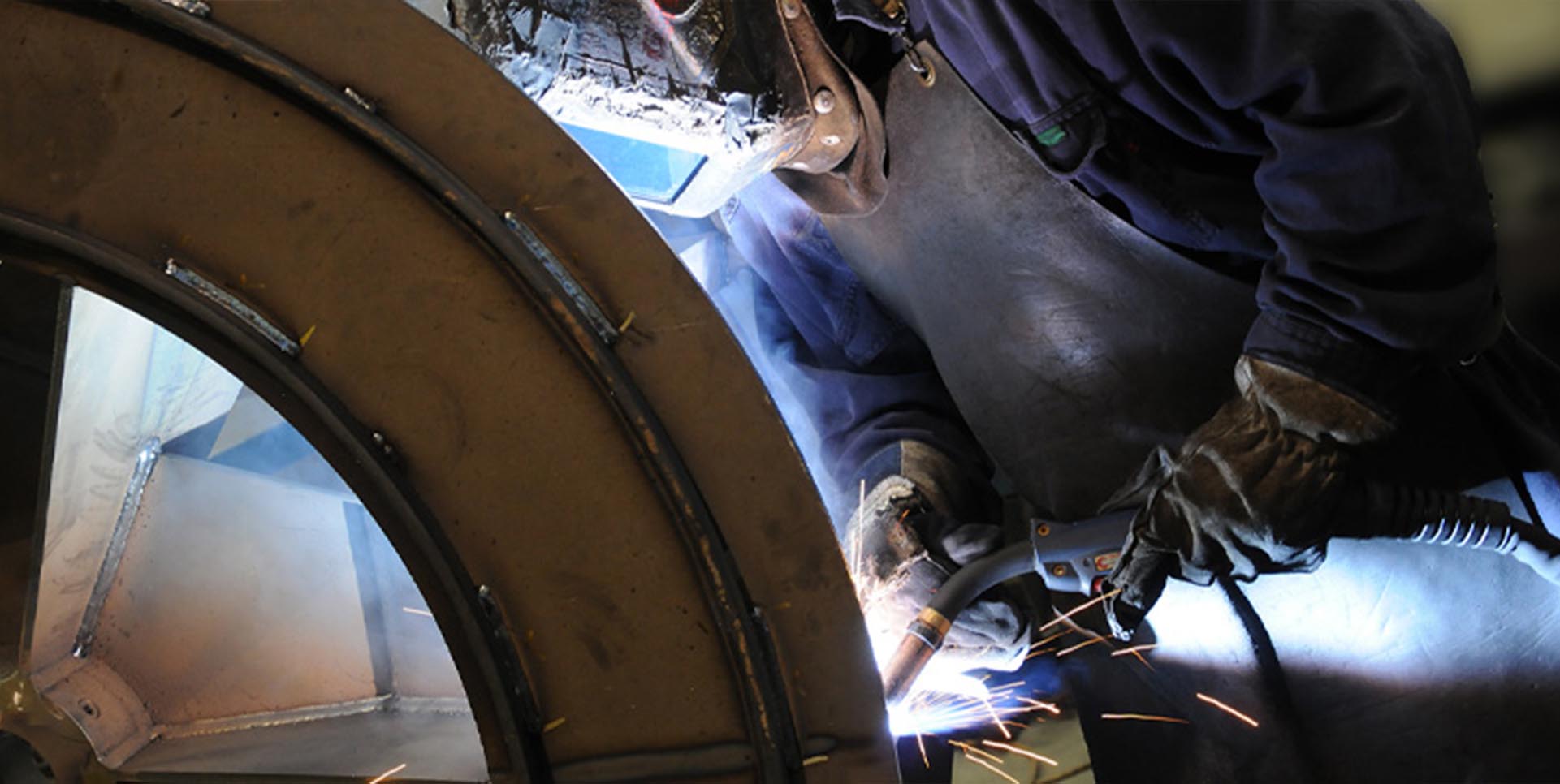
When touring an industrial fan manufacturing facility, you probably don’t imagine anyone remarking on the beauty of welded fan components. Here at AirPro, it happens all the time. Our welders are skilled craftsmen who see their work as a form of art.
Wondering why your fan is underperforming? If your application system effects were not calculated into your original fan specification, you might be experiencing performance below the expected centrifugal fan performance curve from the manufacturer.
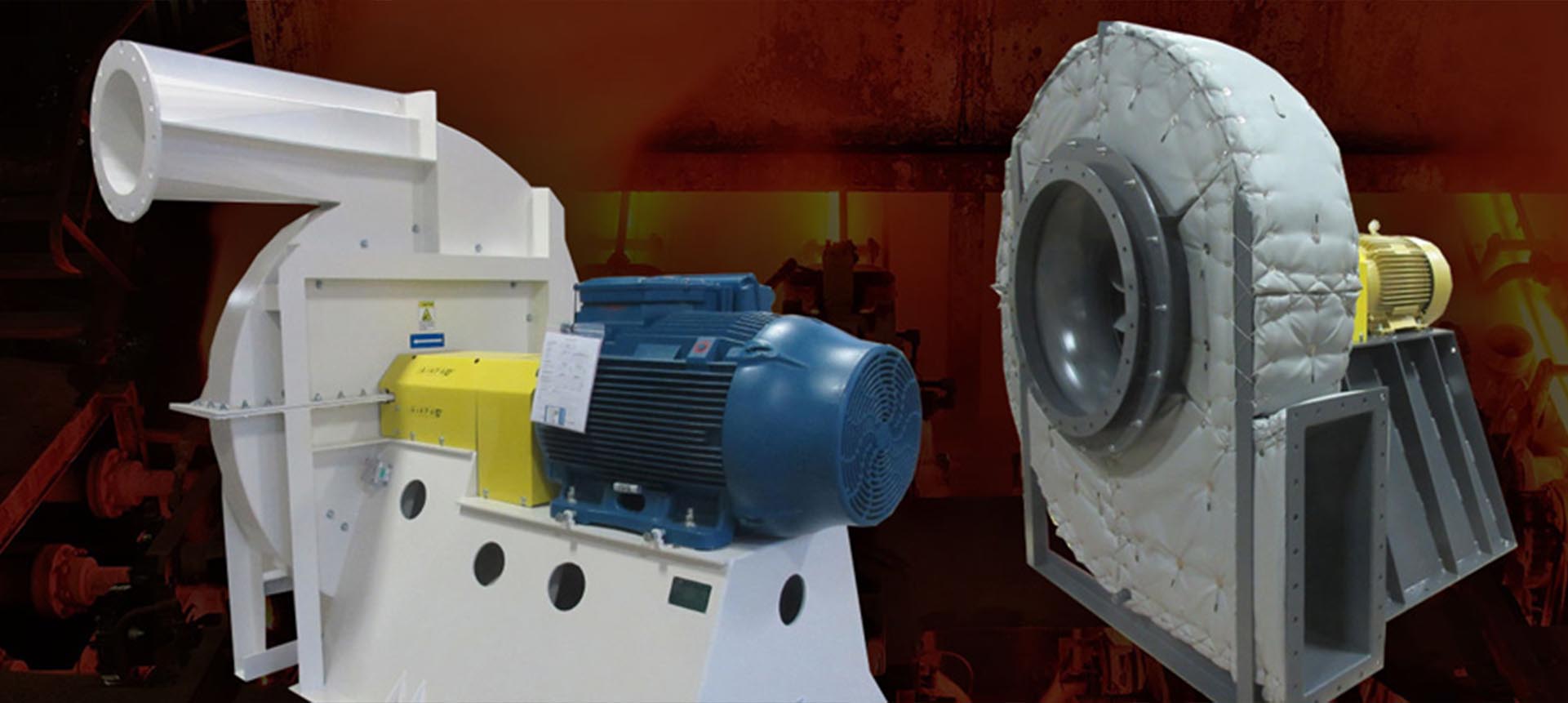
Air and heat are two essential components of industrial process manufacturing. Air serves as the conveyor, and heat is a transformer. In applications using high-temperature blower fans, both processes are happening together or in close proximity. That means the fans in these applications need to be able to take the heat, and in many cases, accompany corrosive gasses.
Clockwise or counterclockwise? It’s a surprisingly common question we get related to industrial fans and blowers. Determining fan rotation direction is simple once you know the trick, and it’s important to understand during the specification process.
Wear and tear in your industrial fans and blowers is completely normal. In fact, it’s impossible to avoid, given all of the moving parts and the often abrasive or corrosive elements moving through them. But that does not need to lead to catastrophic downtime. We put together this 9-step preventative maintenance checklist for equipment to help you avoid fan failure and save you days, weeks, or more of downtime.